The Wolf in Sheep’s Clothing
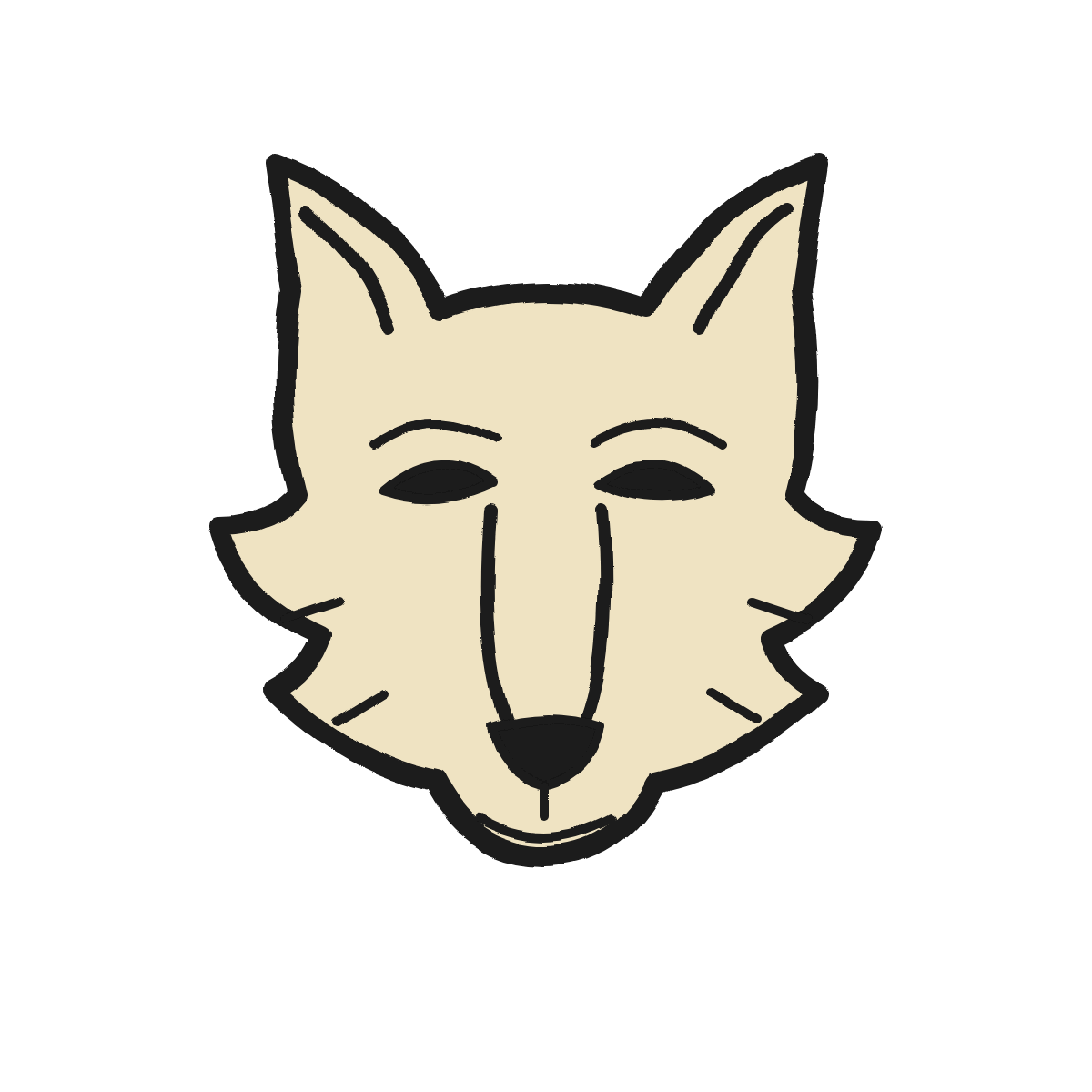
Every story in this book is this one.
A wolf cannot walk into the flock as a wolf. The sheep would scatter before he got close. So he finds a sheep’s skin, and he wears it. He walks among them. He grazes where they graze. He is patient, because the whole plan depends on patience. He lets them get used to him, and at nightfall the shepherd shuts him into the fold with the rest.
The fable is medieval, though it has traveled for centuries under Aesop’s name, and in it the wolf never gets to use his teeth. The shepherd wants meat for the next day, goes into the fold in the dark, and the first animal he lays hands on is the wolf. Harm seek, harm find: the fable punishes the disguise. The warning about coats is older, and it comes from the Sermon on the Mount, where false prophets come in sheep’s clothing (Matthew 7:15). Don’t judge by the coat. That’s the moral you were given. It’s true, and it’s the wrong half.
Look at what the wolf chose to wear. Not a rock, not a shadow, not the dark. He wore the one thing the flock trusts without thinking: itself. He didn’t hide from what the sheep valued. He dressed up as it.
That is how control gets close to you. It can’t arrive as control; you’d refuse it at the door. So it arrives wearing something you already love. It arrives as care, and asks where you were. It arrives as protection, and decides who you’re allowed to see. It arrives as help, and takes the thing out of your hands. The fleece changes from one person to the next. The wolf underneath it doesn’t.
This is why you didn’t see it. You were checking the coat, the way you were taught, and the coat was perfect. The coat was made of your own values. The better a person you are, the better the disguise fits, because a wolf only needs to study what you care about and put it on.
So stop checking the coat. It will usually pass.
Check what happens to you instead. After an hour with this person, after a dinner, a phone call, a weekend, ask one question, and ask it of your body before your mind has a chance to explain it away: do I feel more myself, or less myself?
A sheep standing next to a sheep doesn’t feel smaller.
The Decoder: Stop looking at the clothing. Notice the impact.